

The terms cable assembly and wiring harness are often used interchangeably, but they’re not the same thing. While both are designed to organise and connect electrical wiring, each serves a different purpose and is suited to different environments.
Knowing the difference can help you choose the right solution for your application. If you are new to the subject, our guide to what a cable assembly is covers the basics before we compare the two.
What Is a Cable Assembly?
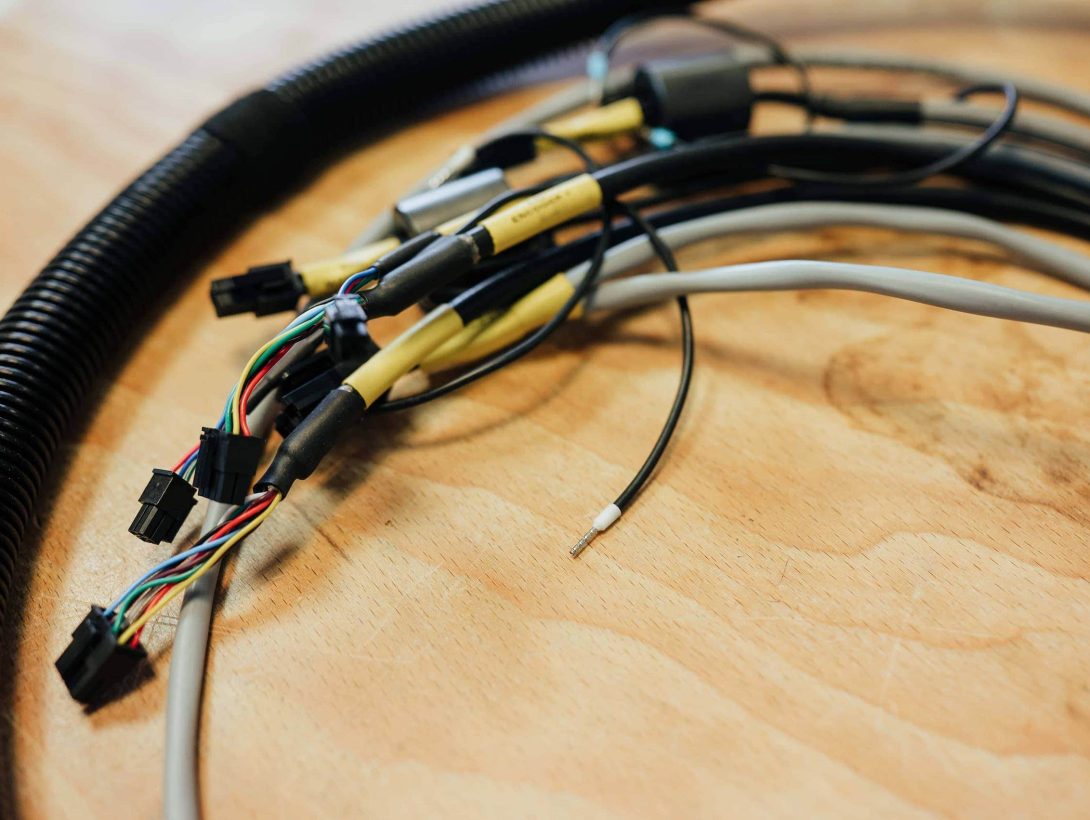
A cable assembly is a group of cables bundled together and enclosed in a protective outer sleeve or jacket. This extra layer protects the cables from moisture, heat, chemicals, abrasion, and vibration, making cable assemblies ideal for harsh environments.
They’re commonly used in industries such as manufacturing, automotive, aerospace, medical equipment, and telecommunications, where reliability is essential. At WireCo, our custom cable harness builds are made to order for exactly these conditions.
What Is a Wiring Harness?
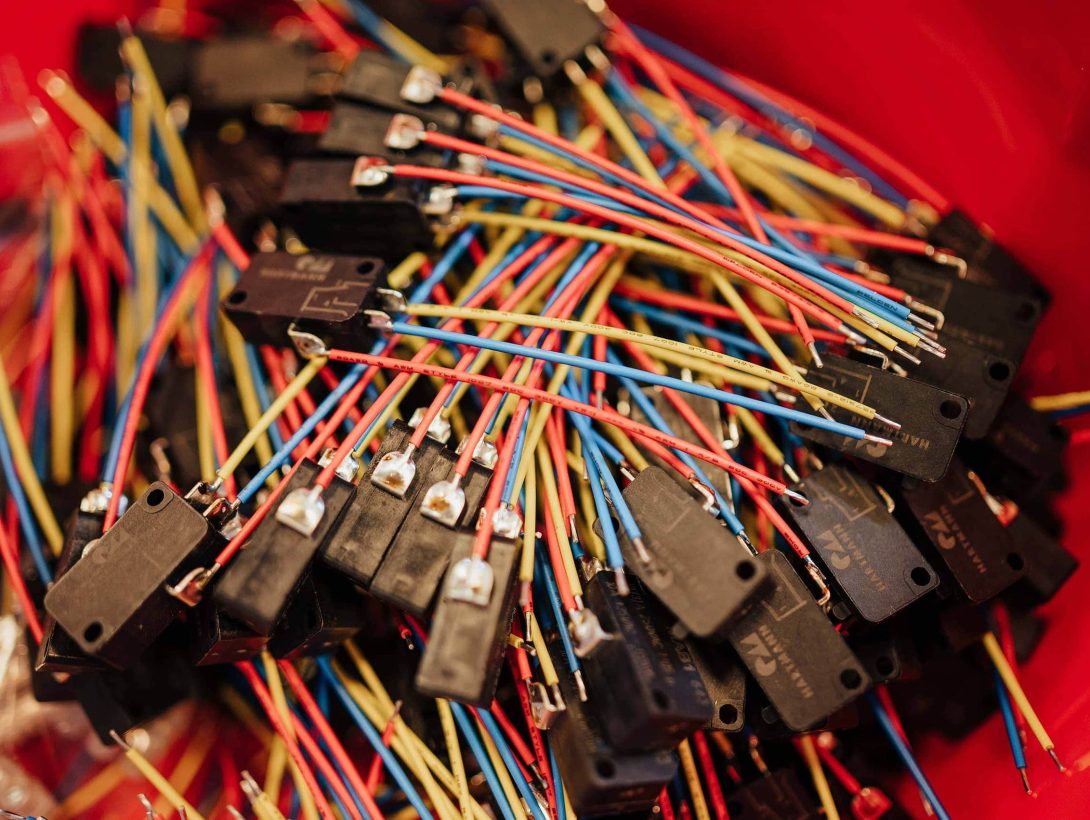
A wiring harness also groups multiple wires together, but its main purpose is to keep them organised rather than fully protected. Instead of a heavy outer jacket, wiring harnesses are typically secured with cable ties, tape, or flexible sleeves.
They’re best suited to applications where the wiring is already protected inside a machine, cabinet, or vehicle and isn’t exposed to demanding conditions. Our wiring loom manufacturing service produces these to your specification.
Key Differences
Although they may look similar, there are a few important differences between the two:
- Protection: Cable assemblies have a durable outer jacket that protects against heat, moisture, chemicals, and wear. Wiring harnesses offer basic organisation with limited protection.
- Environment: Cable assemblies are designed for harsher conditions, while wiring harnesses are better suited to clean, enclosed environments.
- Durability: Cable assemblies are built to withstand repeated movement and exposure to the elements, whereas wiring harnesses are generally used where the wiring is less likely to be damaged.
- Cost: Wiring harnesses are often the more cost-effective option when heavy-duty protection isn’t required.
Which One Should You Choose?
The right choice depends on where and how the cables will be used.
If your application involves outdoor use, vibration, moisture, or extreme temperatures, a cable assembly is usually the better option. The added protection helps improve reliability and extends the life of the cables.
If the wiring will be installed inside an enclosed unit where it’s already protected, a wiring harness is often all that’s needed. It keeps everything organised, simplifies installation, and can be a more economical solution.
Both cable assemblies and wiring harnesses play important roles. While they share the same goal of keeping electrical systems connected and organised, the level of protection they provide is what sets them apart.
Choosing the right solution comes down to the environment, the application, and the required level of durability. If you’re unsure which option is best for your project, speaking to an experienced cable assembly manufacturer can help ensure you get the right solution first time.