
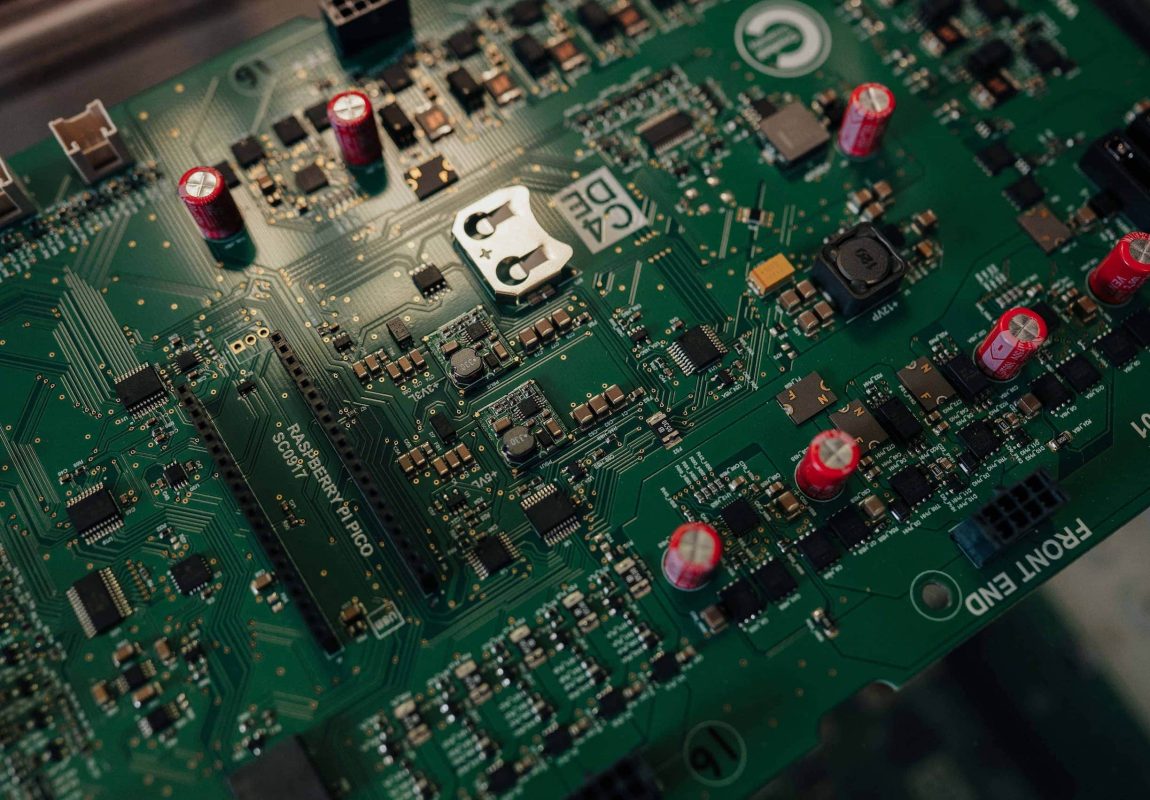
When a component becomes obsolete, it doesn’t always mean the end of a piece of equipment. In many cases, replacing an entire system simply isn’t practical or cost-effective. That’s where reverse engineering can provide a solution.
By analysing an existing cable assembly or wiring harness, it’s often possible to recreate a replacement that performs just like the original, helping to keep equipment running without the need for a complete redesign. From there, our prototype to production support can take the part all the way to a full run.
What Is Reverse Engineering?
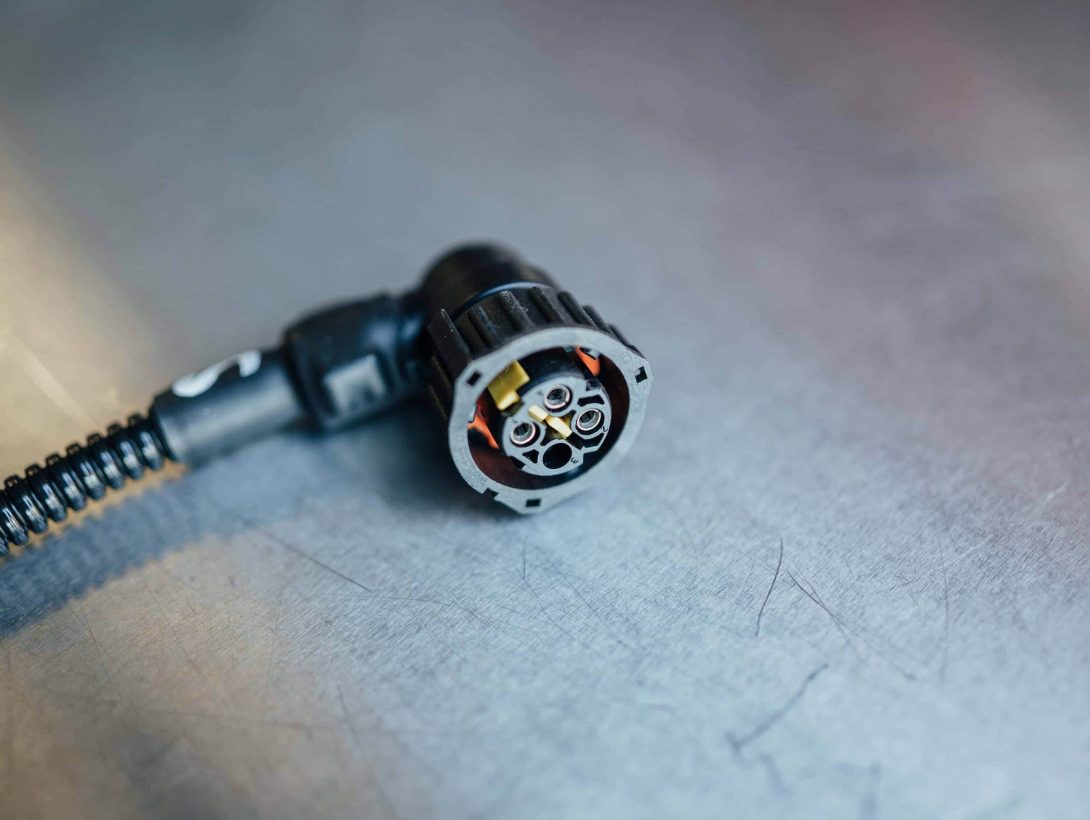
Reverse engineering is the process of examining an existing component to understand how it’s been designed and manufactured. This involves identifying the cables, connectors, terminals, and materials used before producing an equivalent replacement.
In many cases, an original drawing or technical specification isn’t needed. A physical sample is often enough to work from.
When Is Reverse Engineering Useful?
Reverse engineering is commonly used when original parts are no longer available or when the original manufacturer has stopped producing them.
It’s particularly useful for:
- Obsolete cable assemblies
- Legacy machinery
- Industrial equipment
- Specialist vehicles
- Medical and laboratory equipment
Rather than replacing an entire system, reverse engineering allows you to replace only the component that’s no longer available.
What's Involved?
The process usually begins with a detailed inspection of the original assembly. Measurements are taken, connectors are identified, cable specifications are checked, and the overall design is documented.
If an exact component is no longer available, suitable alternatives can often be sourced without affecting the performance of the finished assembly.
Once the design has been confirmed, a replacement can be manufactured and tested to ensure it meets the required standards. This often starts as one of our prototype cable builds before any larger run.
The Benefits of Reverse Engineering
Reverse engineering offers several advantages, including:
- Extends the life of existing equipment.
- Avoids expensive system replacements.
- Recreates obsolete or discontinued parts.
- Reduces downtime while sourcing alternatives.
- Allows assemblies to be updated using modern components where appropriate.
For many businesses, it’s a practical and cost-effective way of keeping essential equipment in service.
Obsolete components don’t always have to mean replacing an entire machine. In many cases, reverse engineering enables the recreation of cable assemblies and wiring harnesses that are no longer available, helping extend the life of valuable equipment and minimise downtime.
If you have an old or discontinued cable assembly, it’s worth talking to us about an obsolete part. Even without original drawings, there’s often enough information in the existing component to produce a reliable replacement that keeps your equipment running for years to come.