
Choosing the right cable is more important than many people realise. While it might be tempting to focus on connectors or equipment, the cable itself plays a key role in ensuring your system performs reliably and safely. Selecting the wrong cable can lead to poor performance, unnecessary maintenance, or even complete system failure.
Whether you’re designing a new installation or replacing an existing cable, taking the time to choose the right one can save both time and money in the long run. If you want a quick refresher first, our guide to cable assembly basics explains how cables are bundled and protected.
1. Understand the Application
The first step is to think about exactly what the cable needs to do. Will it supply power, transmit data, or carry signals? Different applications require different cable constructions, so understanding the cable’s purpose is the best place to start.
You should also consider whether the cable will remain fixed in one position or be subject to regular movement or flexing, as this can affect which type of cable is most suitable. For straightforward single-conductor runs, our single cable assemblies cover exactly this kind of build.
2. Consider the Environment
The environment in which the cable will operate is just as important as the application itself. A cable used in a clean indoor setting will have very different requirements from one installed outdoors or in a busy industrial environment.
Factors such as moisture, dust, chemicals, UV exposure, vibration, and extreme temperatures can all affect the lifespan of a cable. Choosing one that’s designed for these conditions will help improve reliability and reduce the risk of failure.
3. Check the Electrical Requirements
Every cable has a maximum voltage and current rating. Choosing a cable that’s correctly rated for your system is essential for safe and efficient operation. High-current work is a good example: our battery cable assemblies are built and rated for heavy power delivery.
If the cable also needs to carry data, it’s worth considering shielding and signal quality to ensure reliable communication between devices.
4. Choose the Right Connectors
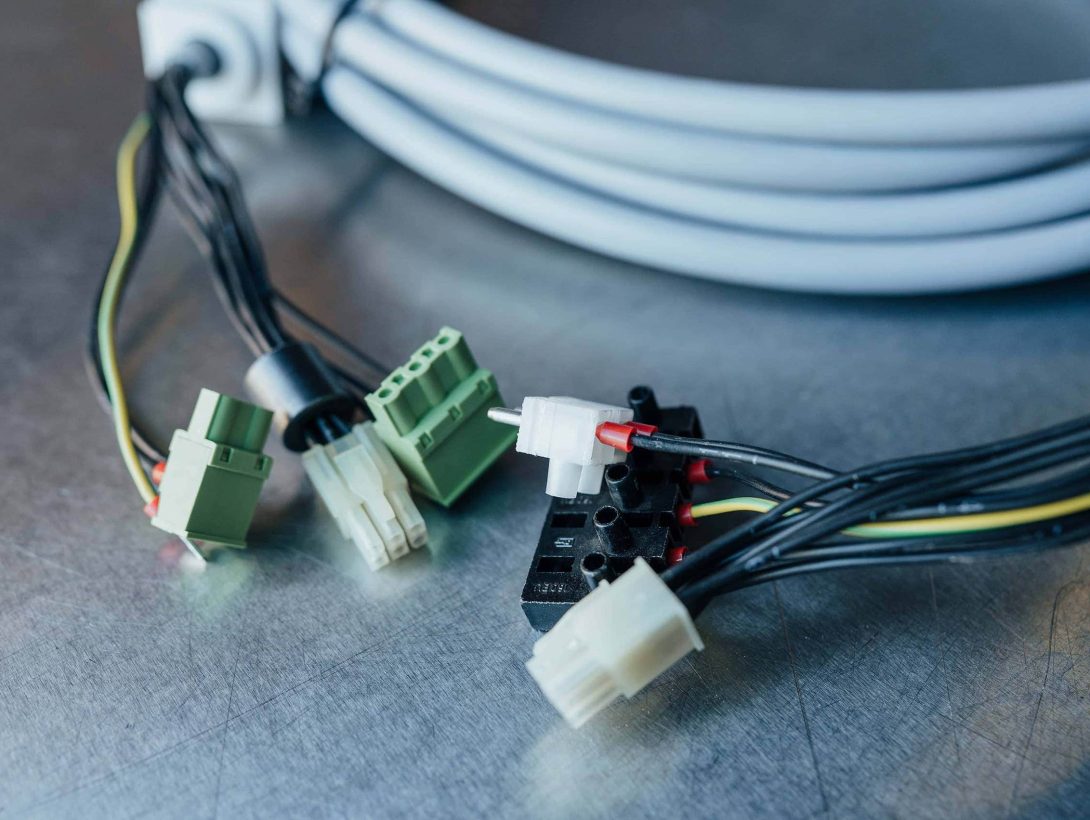
A cable is only as good as the connectors fitted to it. The connectors need to be compatible with your equipment and capable of meeting the application’s electrical requirements.
Using the correct connectors not only improves performance but also makes installation easier and helps create a secure, long-lasting connection.

5. Think About Future Maintenance
It’s easy to focus on the initial installation, but it’s also worth thinking ahead. High-quality cables are generally more durable, easier to maintain, and less likely to need replacing.
Choosing cables that are clearly labelled and built to the correct specification can also make future inspections, repairs, or upgrades much simpler, reducing downtime if maintenance is ever required.
Choosing the correct cable isn’t simply about finding one that fits. It’s about selecting a cable designed for your application, environment, and system’s electrical requirements.
By considering these factors from the start, you’ll improve reliability, reduce the risk of costly failures, and help ensure your equipment performs as expected for years to come. If you’re unsure which cable is best for your application, speaking to an experienced cable manufacturer or supplier can help you find the right solution.