
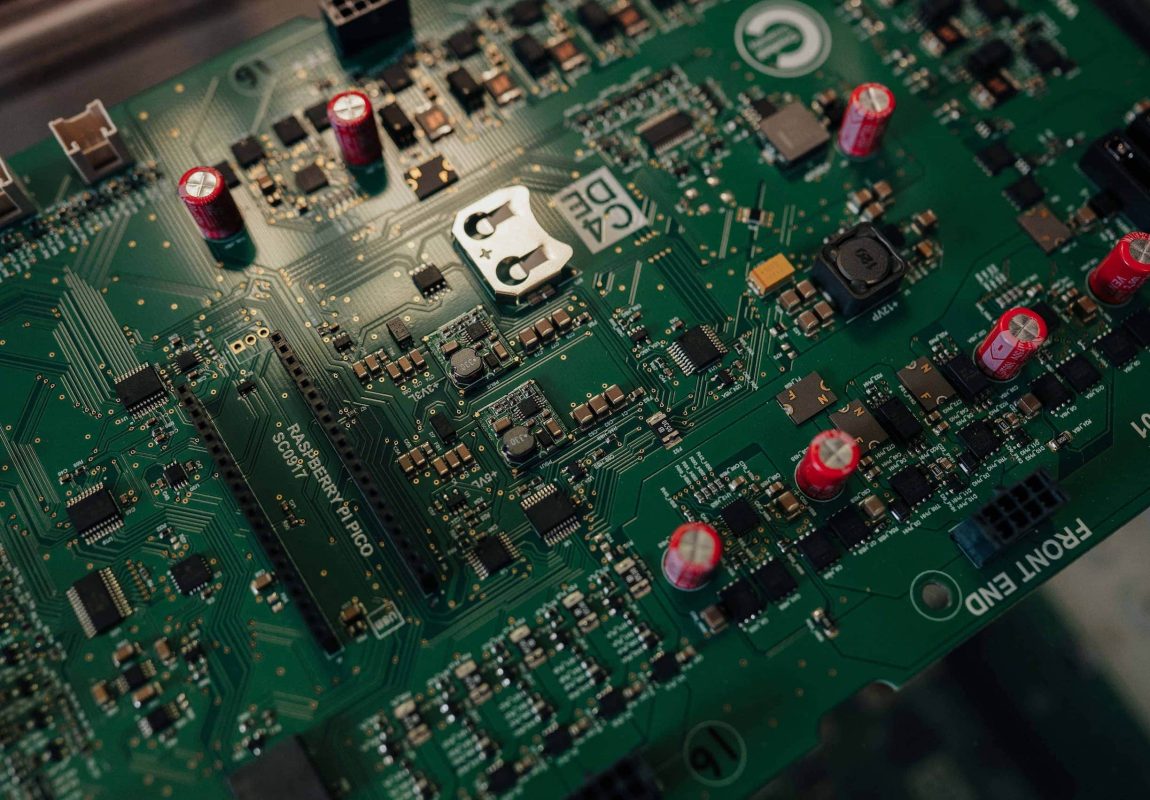
Crimping is one of the most important stages in cable assembly manufacturing. A good crimp creates a strong electrical and mechanical connection between the cable and its terminal, helping ensure reliable performance throughout the product’s life.
There are two main methods for achieving this: automated crimping and hand crimping. Both have their place, but the right choice depends on the application, production volume, and required level of precision. It is one of many decisions that feed into our cable assembly capabilities.
What Is Hand Crimping?
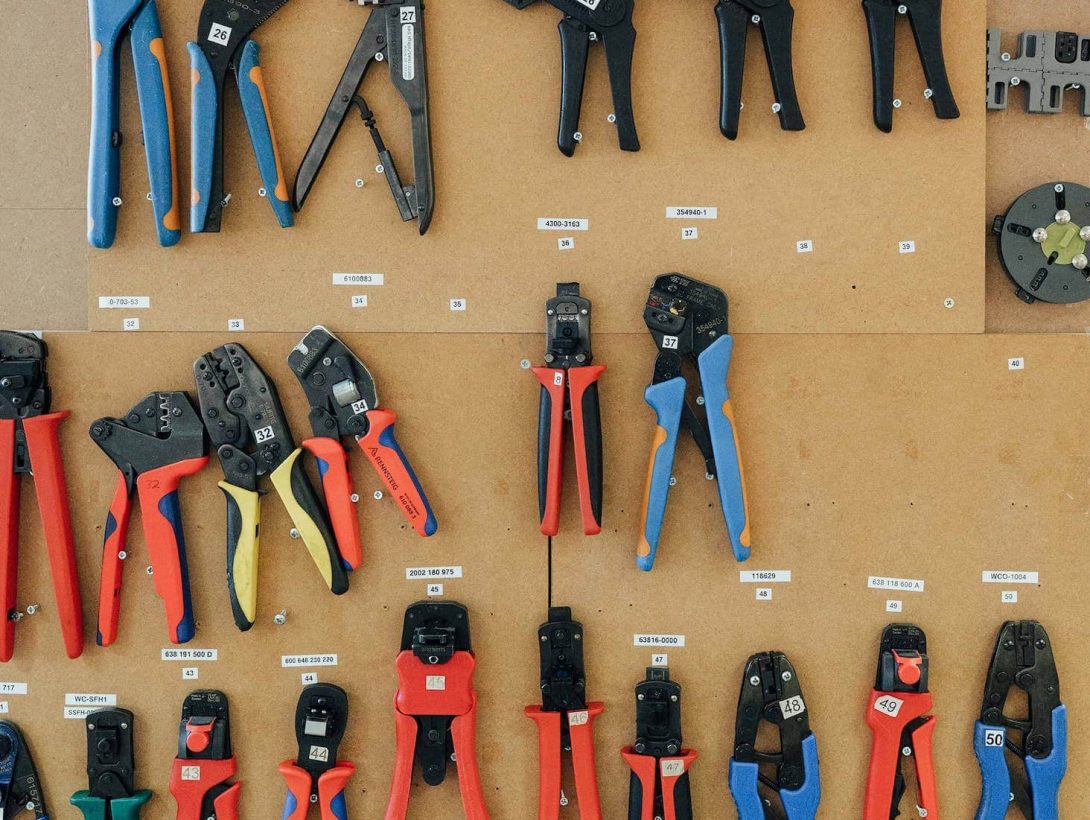
Hand crimping uses a manual crimping tool to attach terminals or connectors to a cable. It’s commonly used for prototypes, small production runs, repairs, or custom cable assemblies where flexibility is more important than speed.
When performed by an experienced technician with the correct tools, hand crimping can produce high-quality, reliable connections. However, because the process relies on manual operation, consistency can vary between assemblies if proper procedures aren’t followed, and inconsistent crimps are a common cause of cable assembly failure.
What Is Automated Crimping?
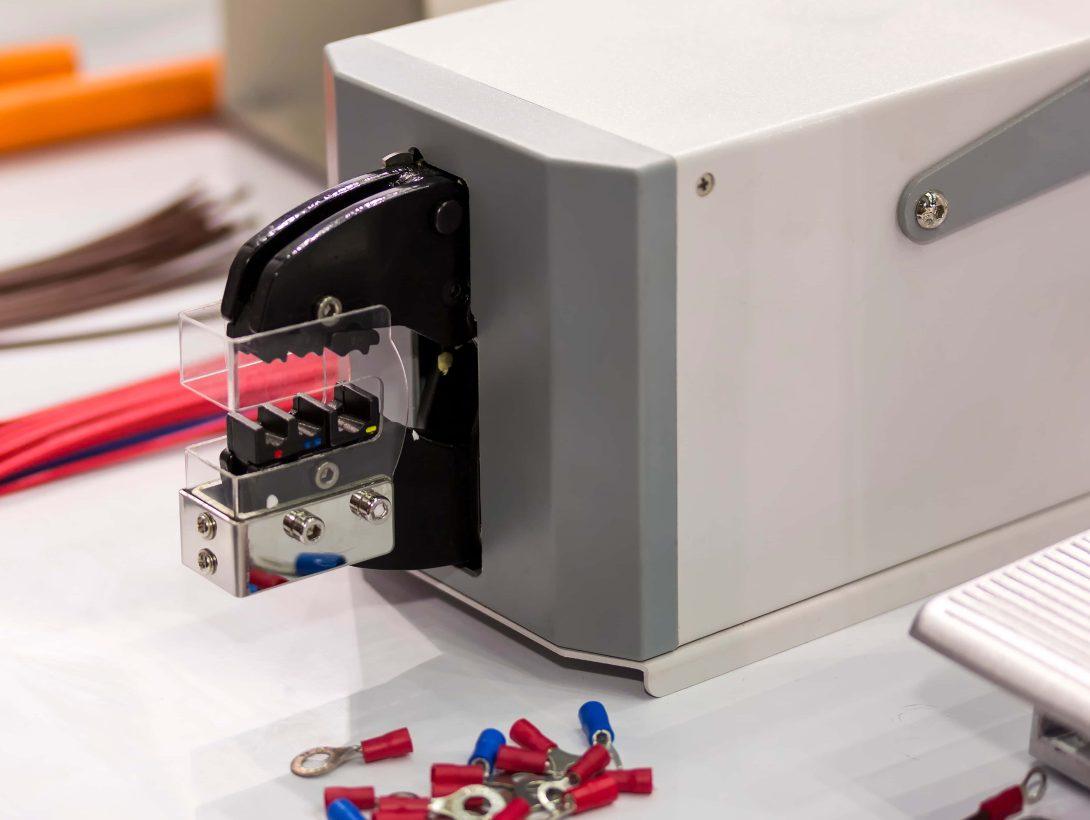
Automated crimping uses specialist machinery to strip, cut, and crimp cables with minimal manual input. The equipment is programmed to produce consistent results, making it ideal for high-volume manufacturing where speed and accuracy are essential.
Because every crimp is completed using the same settings, automated crimping helps reduce variation and improve overall production efficiency.
Key Differences
While both methods achieve the same end result, there are some important differences:
- Speed: Automated crimping is much faster, making it ideal for large production runs.
- Consistency: Machines deliver repeatable results, while hand crimping depends on the skill and experience of the operator.
- Flexibility: Hand crimping is better suited to custom assemblies, prototypes, or small batches where frequent changes are needed.
- Cost: Automated equipment requires a higher initial investment but becomes more cost-effective for larger production volumes.
Which Method Is Best?
There’s no single answer, as both methods have their advantages.
For large-scale manufacturing, automated crimping offers greater speed, consistency, and efficiency. It’s the preferred choice where repeatability and high output are key requirements.
For bespoke cable assemblies, low-volume orders, or specialist applications, hand crimping often provides the flexibility needed to produce custom solutions without the setup time required for automated machinery.
Many cable assembly manufacturers use both methods, selecting the most suitable process depending on the project and customer requirements.
Final Thoughts
Whether a cable is crimped by hand or by an automated machine, the goal is always the same: to create a secure, reliable connection that will perform consistently over time.
Choosing the right crimping method depends on the application, production volume, and quality requirements. By using the appropriate process and backing it up with thorough quality checks such as pull testing crimped terminations, manufacturers can ensure every cable assembly meets the highest standards of performance and reliability.