
When it comes to cable assemblies, quality is about much more than appearance. Every connection needs to be strong enough to perform reliably throughout the product’s lifespan. That’s where pull testing comes in.
Pull testing is a simple but essential quality-control process that helps confirm that a cable assembly has been manufactured correctly. By checking the strength of each termination, manufacturers can identify potential issues before the product leaves the factory, reducing the risk of field failures.
What Is Pull Testing?
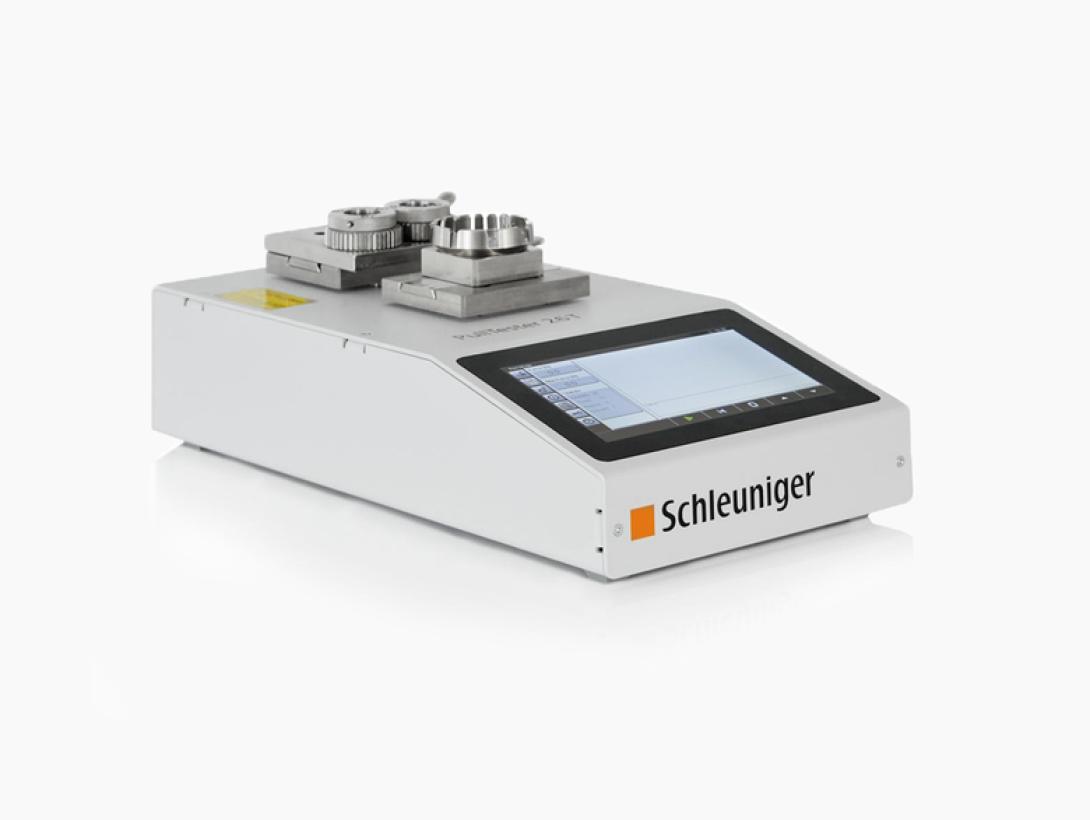
Pull testing measures the amount of force a cable termination can withstand before it separates or becomes damaged. t’s typically carried out after the cable has been crimped or terminated to ensure the connection is secure and meets the required specification, and the choice between automated versus hand crimping directly affects how consistent those terminations are.
Rather than relying on a visual inspection alone, pull testing provides measurable results that confirm the termination has been completed correctly.
Why Is Pull Testing Important?
A cable assembly is only as reliable as its weakest connection. Even if the cable and connectors are of the highest quality, a poorly terminated connection is a common cable assembly failure that can lead to intermittent faults, complete failure, or costly downtime.
Pull testing helps detect these issues before the assembly is installed, giving both manufacturers and customers greater confidence in the finished product. It also helps maintain consistent quality across production, particularly when large volumes of cable assemblies are being manufactured.
The Benefits of Pull Testing
Making pull testing part of the manufacturing process offers several advantages:
- Verifies the strength of cable terminations.
- Improves product quality and consistency.
- Reduces the risk of premature cable failure.
- Helps meet industry and customer quality standards.
- Identifies manufacturing issues before products are shipped.
- Provides greater confidence in the reliability of the finished assembly.
For many manufacturers, pull testing forms part of a wider quality assurance process, helping to ensure every cable assembly performs as intended.
Where Is Pull Testing Used?
Pull testing is commonly carried out across a wide range of industries where dependable electrical connections are essential. These include:
- Automotive
- Aerospace
- Medical equipment
- Industrial manufacturing
- Telecommunications
- Defence
In these sectors, cable assemblies are often exposed to vibration, movement, and demanding operating conditions. Verifying the strength of every connection helps reduce the risk of unexpected failures and keeps critical equipment running reliably.
Pull testing may seem like a small step in the manufacturing process, but it has a big impact on the quality and reliability of a cable assembly. By confirming that every termination is secure, manufacturers can reduce faults, improve product consistency, and minimise the risk of failures once the assembly is in service.
Whether you’re producing a single custom cable or a large production run, pull testing provides the confidence that every connection is built to perform when it matters most.